The Wheat Penny, officially known as the Lincoln Wheat Cent, is one of the most beloved coins in American numismatics. Minted from 1909 to 1958, it features Abraham Lincoln on the obverse and two wheat stalks on the reverse. While millions were produced, certain dates, mint marks, and varieties have become highly valuable. Over the past decade, the market for Wheat Pennies has seen significant changes, with some coins appreciating in value while others have remained steady. This guide explores what your old pennies are worth today compared to 10 years ago.
Origins of the Wheat Penny
The Wheat Penny was introduced in 1909 to commemorate the centennial of Abraham Lincoln’s birth. Designed by Victor David Brenner, it was the first U.S. coin to feature a real person rather than a symbolic figure. The reverse design with wheat stalks symbolized prosperity and growth. The coin remained in production until 1958, when it was replaced by the Lincoln Memorial Cent.
Composition and Design
- Composition: 95% copper, 5% tin and zinc
- Weight: 3.11 grams
- Diameter: 19 mm
- Obverse: Portrait of Abraham Lincoln
- Reverse: Two wheat stalks framing the words “ONE CENT”
- Mint marks: Philadelphia (no mint mark), Denver (D), San Francisco (S)
Wheat Penny Value Chart: 2016 vs 2026
| Coin | Value in 2016 | Value in 2026 |
|---|---|---|
| 1909-S VDB | $1,000–$2,500 | $2,500–$5,000 |
| 1914-D | $300–$1,500 | $800–$3,500 |
| 1922 No D | $500–$2,000 | $1,500–$6,000 |
| 1931-S | $75–$150 | $150–$300 |
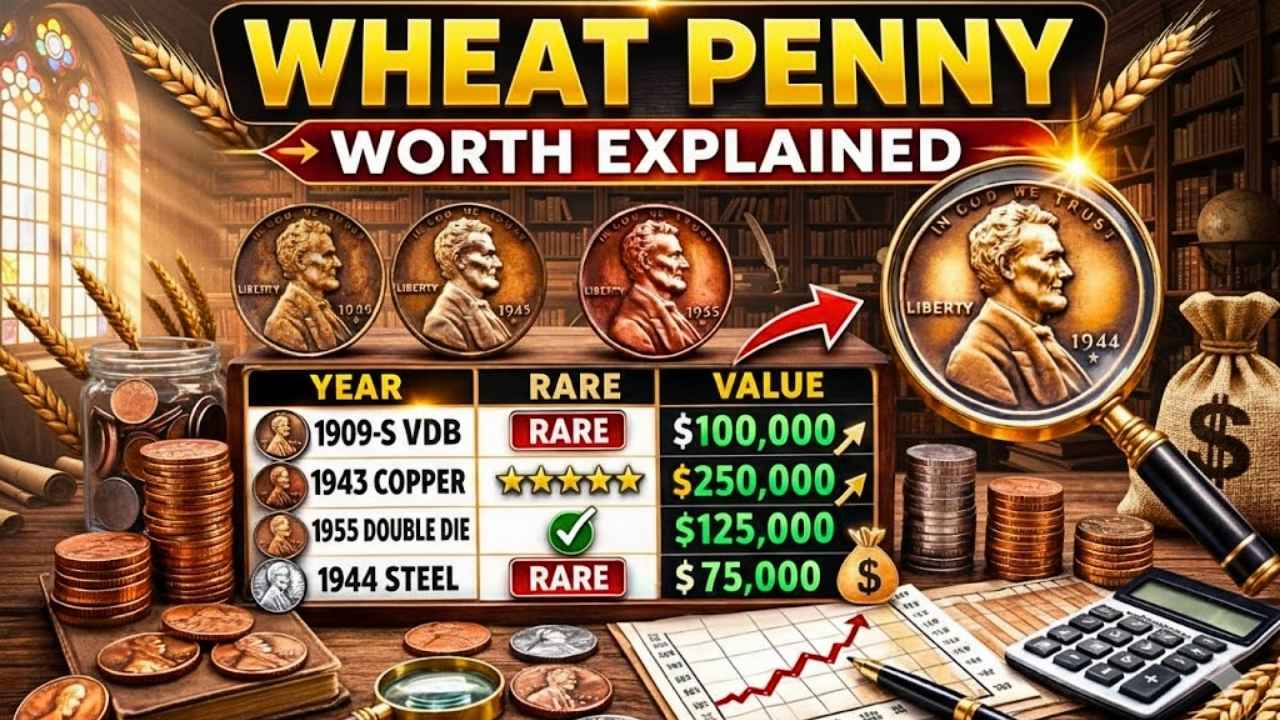
| 1943 Copper Penny | $100,000+ | $250,000+ |
| 1955 Doubled Die | $1,000–$5,000 | $2,500–$10,000 |
| Common Wheat Pennies (1909–1958) | $0.10–$1 | $0.25–$2 |
Famous Rarities
The 1909-S VDB is one of the most famous Wheat Pennies, struck in limited numbers at the San Francisco Mint with designer Victor David Brenner’s initials. The 1914-D is another key rarity, with low mintage making it highly sought after. The 1922 No D variety, created when the Denver Mint accidentally omitted the mint mark, remains a prized collectible. The 1943 Copper Penny, struck in error when copper planchets were used instead of steel, is legendary, with values exceeding $250,000. The 1955 Doubled Die, with its dramatic doubling on the obverse lettering, is one of the most recognizable error coins in U.S. history.
Market Trends Over the Last Decade
Between 2016 and 2026, Wheat Penny values have generally increased, especially for rare varieties and coins in high grades. The rise in demand for collectible coins, coupled with limited supply, has driven prices upward. Auction houses report record prices for rarities like the 1943 Copper Penny and 1955 Doubled Die. Common Wheat Pennies have also appreciated modestly, reflecting growing interest among new collectors.
The Importance of Condition
Condition plays a crucial role in determining the value of Wheat Pennies. Coins graded MS65 or higher by professional grading services can command significant premiums. Even common dates can become valuable if preserved in pristine condition. Collectors seek coins with sharp details, full luster, and minimal marks.
Collecting Tips for Enthusiasts
- Learn to recognize famous rarities such as the 1909-S VDB and 1955 Doubled Die
- Preserve coins in protective holders to prevent wear
- Verify authenticity through professional grading services
- Focus on condition, as higher grades significantly increase value
- Stay informed about auction results and market trends
Historical Significance
The Wheat Penny is more than just currency; it is a symbol of American history and resilience. Its enduring design and rare varieties remind us that even everyday coins can hold extraordinary value. Collectors treasure these coins not only for their monetary worth but also for the history they represent. The legacy of the Wheat Penny continues to inspire new generations of numismatists.
Key Highlights
- Wheat Pennies were minted from 1909 to 1958, featuring Abraham Lincoln
- Rare varieties include the 1909-S VDB, 1914-D, 1922 No D, 1943 Copper Penny, and 1955 Doubled Die
- Values have generally increased between 2016 and 2026, with rarities breaking auction records
- Condition plays a major role in determining value, with MS65+ coins commanding premiums
- Collector demand remains strong, with both rare and common Wheat Pennies appreciating in value
Final Words
The Wheat Penny stands as one of America’s most cherished coin series, valued for its design, history, and symbolism. Over the past decade, collectors have witnessed significant appreciation in values, with legendary specimens achieving iconic status. Whether searching for a 1909-S VDB or dreaming of finding a 1943 Copper Penny, the pursuit of Wheat Pennies offers a journey through history and the chance to hold one of the greatest treasures of American numismatics. For enthusiasts, these coins are not just investments but symbols of heritage and legacy worth preserving for generations to come.